

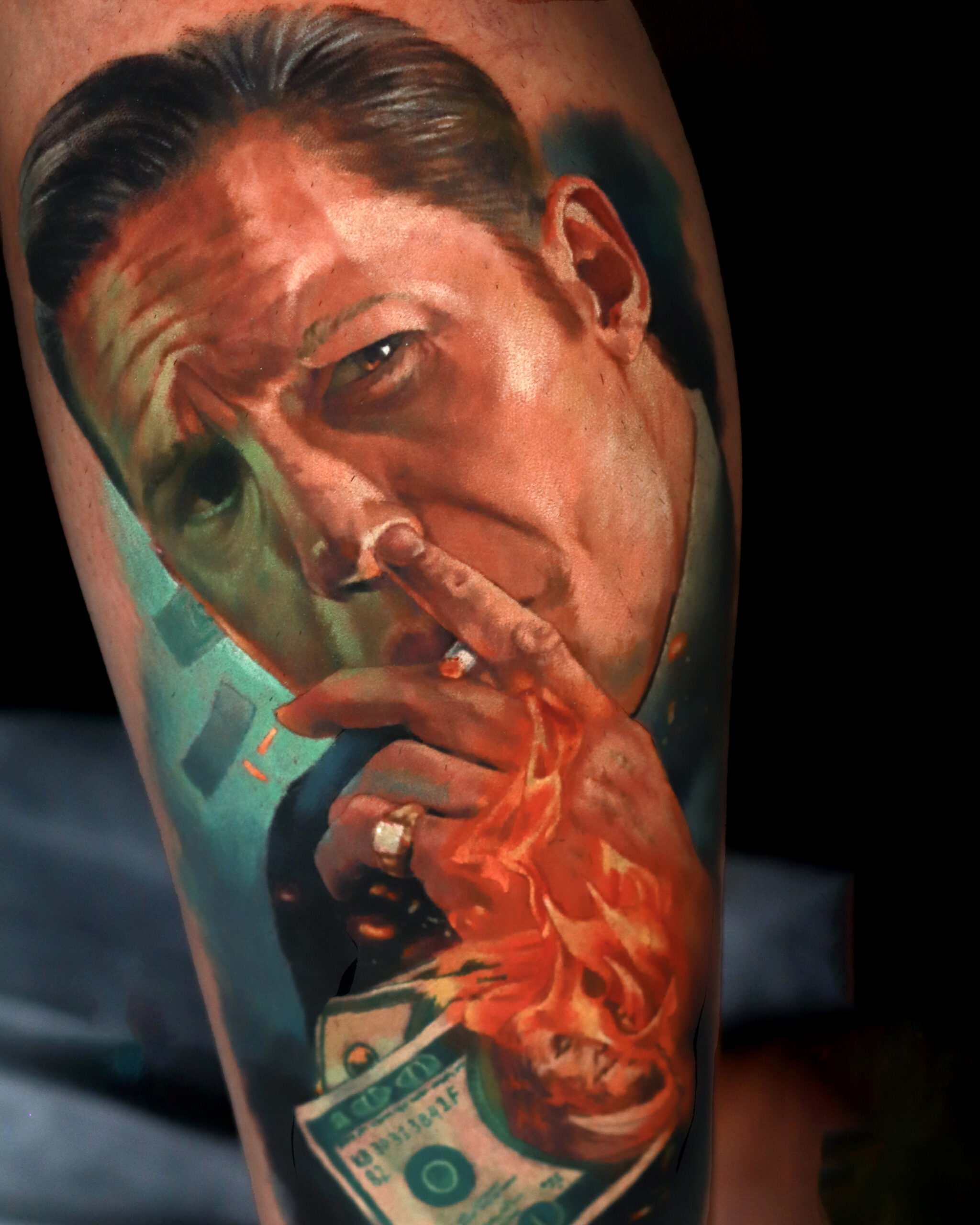
A tattoo can look settled on the surface before the deeper layers of skin have fully recovered. There is no exact timeline that applies to everyone. Healing time depends on size, placement, technique, your individual skin and health, and how the tattoo is cared for.
A practical healing timeline
Days 1–3: the skin is still sensitive
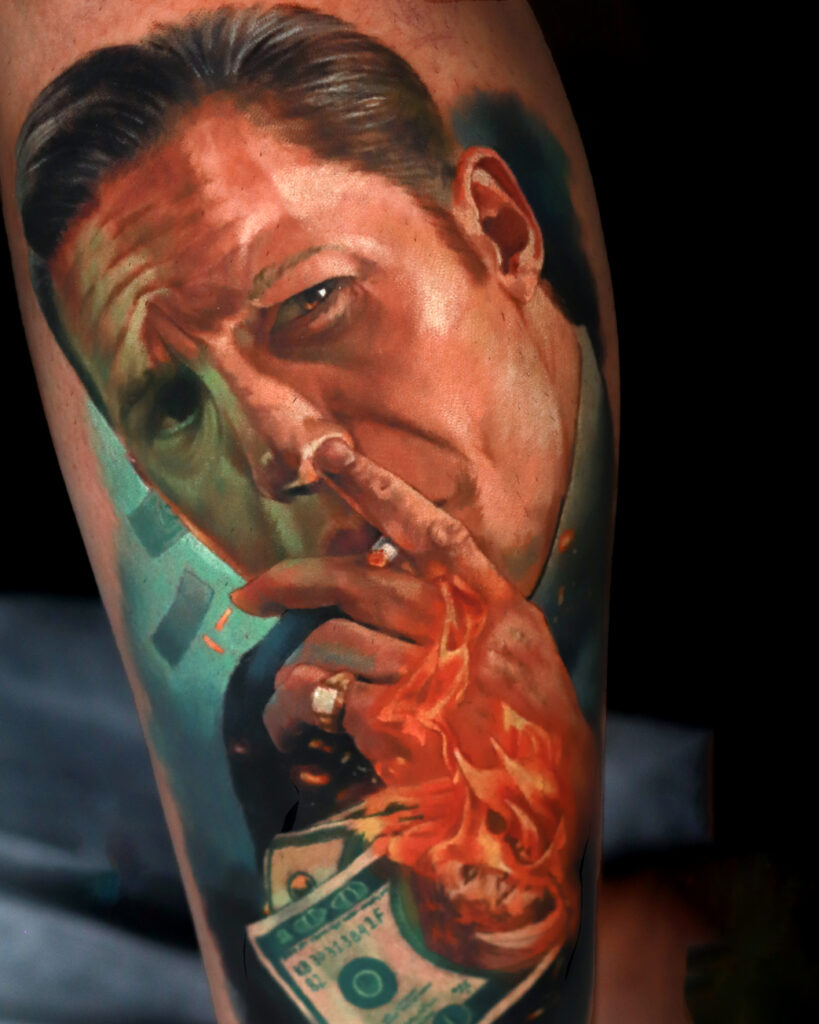
The tattooed area may be mildly red, swollen, tight, or release a small amount of clear fluid and excess ink. Normal symptoms should gradually decrease rather than become stronger.
Around days 4–10: dryness, itching, and light peeling
The surface starts to dry and a thin layer of skin may peel. Do not pick or scratch it. The beginning and end of this stage differ from one tattoo to another.
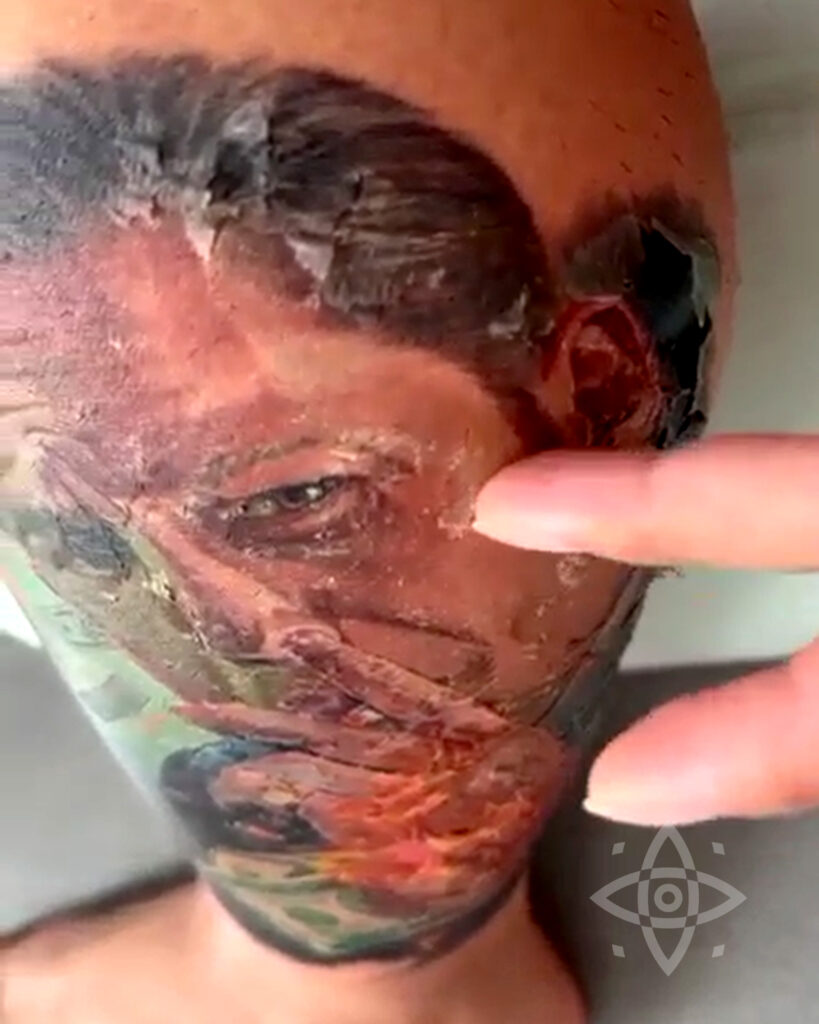
Weeks 2–4: the surface gradually stabilizes
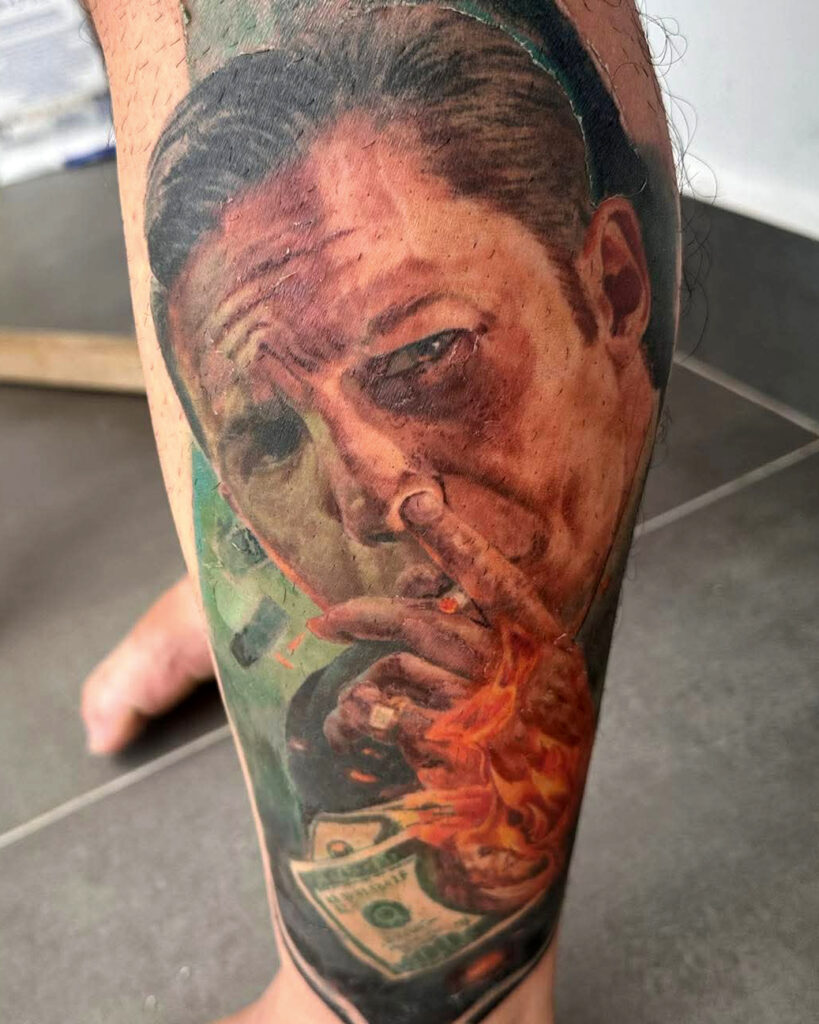
Peeling decreases, although the skin may still look dry, shiny, or slightly cloudy. Color and contrast at this point do not necessarily represent the final result.
After about one month
Many tattoos look more settled on the surface, but large pieces, areas that move frequently, and irritated skin may take longer. Only your artist or an appropriate health professional can assess a specific case from its actual condition.
What affects healing time?
- Size and saturation: large projects or areas with extensive color work may require more recovery time.
- Placement: areas exposed to bending, rubbing, or pressure are harder to keep undisturbed.
- Aftercare: soaking, sun exposure, picking, and unsuitable cleaning can complicate healing.
- Individual factors: skin, health conditions, and medication can affect recovery; ask your doctor when needed.
Signs that healing is progressing normally
Discomfort that steadily decreases, redness that becomes smaller, peeling that releases on its own, and a surface that becomes more stable are positive signs. Pay attention to the overall trend rather than one isolated symptom.
When should you stop waiting?

Seek medical assessment if redness spreads or becomes darker, pain increases, the area becomes very hot or swollen, or you notice pus, sores, fever, or chills. Do not diagnose an infection from online photos and do not self-medicate.
What should you do while the tattoo heals?
Keep it clean, limit friction, do not scratch or pick, and follow our new tattoo aftercare guide. Also review the aftercare checklist.
Frequently asked questions
Is a tattoo fully healed when peeling stops?
Not necessarily. The end of peeling is an important milestone, but deeper layers may still be recovering.
Is a slightly cloudy appearance after peeling abnormal?
New skin can temporarily make a tattoo look cloudy or lower in contrast. If this appears together with increasing pain, spreading redness, or unusual discharge, seek professional assessment.
Conclusion
Use this timeline as a general range and watch for discomfort that decreases over time. You can send the studio a clear photo if you would like us to review your progress. If you suspect a complication, contact a medical professional.


